OMLYCLO was compared with Xolair® in a double-blind, randomized, active-controlled phase 3 study of adult and pediatric patients ≥12 years of age with chronic spontaneous urticaria (CSU)1

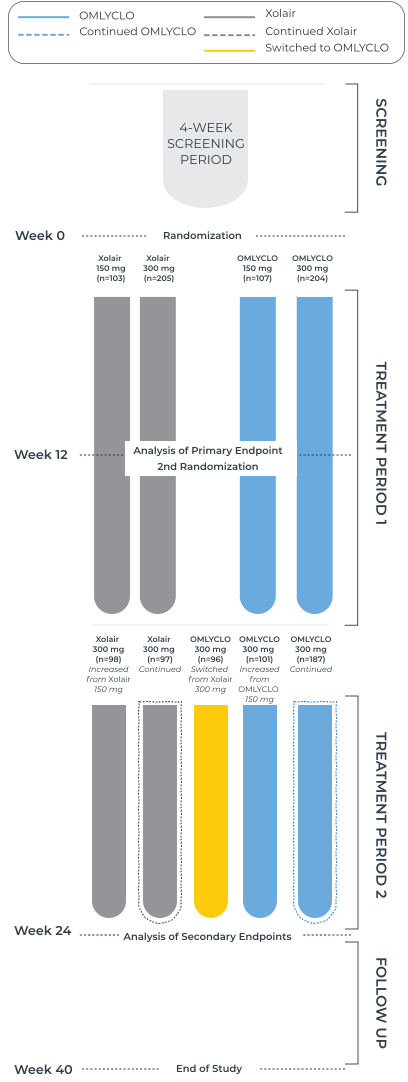
Patients received OMLYCLO or Xolair for up to 24 weeks and were followed through week 40.1
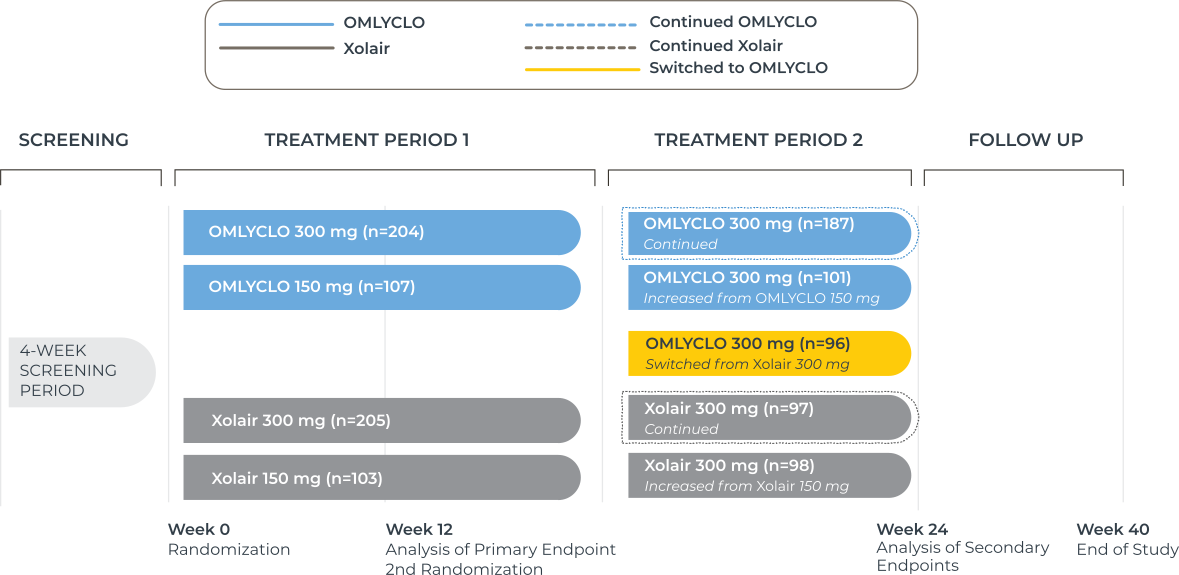
Phase 3 study design showing screening, two treatment periods, and follow-up through week 40 for patients receiving OMLYCLO or Xolair. Phase 3 study design showing screening, two treatment periods, and follow-up through week 40 for patients receiving OMLYCLO or Xolair.

All patients continued treatment with one second-generation H1 antihistamine throughout the study.1

Inclusion criteria: Patients aged ≥12 years with documented CSU for ≥6 months and hives and itching for ≥6 consecutive weeks despite current H1 antihistamine use.1

  • Primary endpoint: Change from baseline in ISS7 at week 12 (pre-dose) in the OMLYCLO and Xolair 300-mg groups1
  • Additional endpoints: Relative potency vs Xolair*; ISS7 change at weeks 8 and 24; time to MID by week 12; clinical and symptom outcomes at weeks 8, 12, and 24, including MID in ISS7, UAS7, HSS7, and rescue use; hives severity; and angioedema-free days1
  • Treatment period 1 (weeks 0–12): Randomized to OMLYCLO or Xolair at 150 mg or 300 mg1
  • Treatment period 2 (weeks 12–24): Xolair 300-mg patients were re-randomized to continue Xolair or switch to OMLYCLO; OMLYCLO 300-mg patients maintained their dosage; 150-mg groups escalated to 300 mg1
  • Follow-up: Visits every 4 weeks through week 401

*Defined as the dose of OMLYCLO that produced the same biological response (in terms of change from baseline in ISS7 at week 12) as one unit of the dose of Xolair.1

Reduction of ≥5 points from baseline.1

H1, histamine 1; HSS7, weekly hives severity score; ISS7, weekly itch severity score; MID, minimally important difference; UAS7, weekly urticaria activity score.

Reference: 1. Saini SS, Maurer M, Dytyatkovska Y, et al. CT-P39 compared with reference omalizumab in chronic spontaneous urticaria: results from a double-blind, randomized, active-controlled, phase 3 study. Allergy. 2025;80(7):2167-2177. doi:10.1111/all.16446

OMLYCLO and Xolair® showed therapeutic equivalence in CSU1

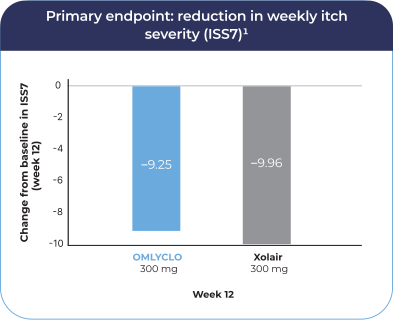
In the phase 3 study, OMLYCLO demonstrated therapeutic equivalence to Xolair for the primary endpoint of change from baseline in ISS7 at week 121

  • Change from baseline in weekly ISS7 at week 12 in the 300-mg treatment groups (US analysis, mITT population) was assessed as the primary endpoint1*
  • OMLYCLO demonstrated therapeutic equivalence to Xolair, with a similar reduction in weekly ISS7 at week 12 (treatment difference 0.70; 90% CI −0.22 to 1.63), within the predefined equivalence margin1
  • Based partly on the findings of this study, OMLYCLO has been approved as biosimilar to Xolair across all Xolair indications, including moderate to severe persistent asthma in adults and pediatric patients, chronic rhinosinusitis with nasal polyps (CRSwNP) in adults, and IgE-mediated food allergy in adult and pediatric patients1
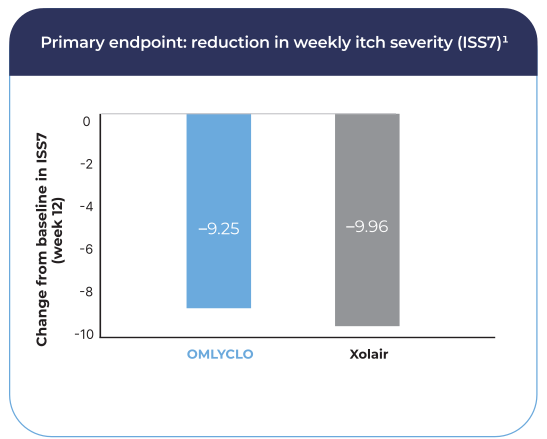
Bar chart showing the change from baseline in weekly itch severity at week 12. OMLYCLO showed a change of negative 9.25 and Xolair showed a change of negative 9.96.

Bar chart showing the change from baseline in weekly itch severity at week 12. OMLYCLO showed a change of negative 9.25 and Xolair showed a change of negative 9.96.

*ISS7 is a patient-reported measure of itch severity recorded twice a day. Scores are calculated at the end of 7 days (range 0-21). Higher scores indicate greater itch severity.2

CI, confidence interval; IgE, immunoglobulin E; ISS7, weekly itch severity score; mITT, modified intent-to-treat population.

Patients receiving OMLYCLO and Xolair achieved similar UAS7 response rates1*†

  • OMLYCLO and Xolair demonstrated comparable clinical response, with similar proportions of patients achieving well-controlled disease (UAS7 ≤6) and complete response (UAS7=0) at week 121

*When studied in patients with chronic spontaneous urticaria.

UAS7 is a patient-reported daily measure of hives and itch severity. Scores are calculated at the end of 7 days (range 0-42). Lower scores indicate less disease activity. Results shown for the 300-mg treatment groups at week 12 (mITT population).1,2

mITT, modified intent-to-treat population; UAS7, weekly urticaria activity score.
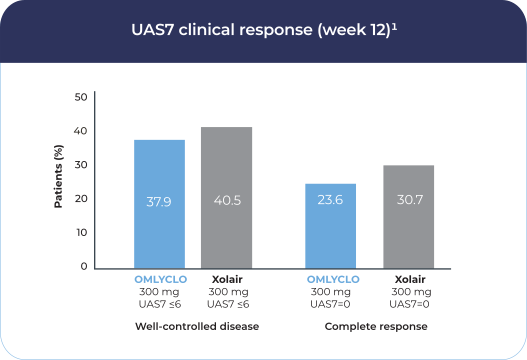
Bar chart showing UAS7 clinical response at week 12. Well-controlled disease was achieved by 37.9% of patients receiving OMLYCLO and 40.5% receiving Xolair. Complete response was achieved by 23.6% of patients receiving OMLYCLO and 30.7% receiving Xolair. Bar chart showing UAS7 clinical response at week 12. Well-controlled disease was achieved by 37.9% of patients receiving OMLYCLO and 40.5% receiving Xolair. Complete response was achieved by 23.6% of patients receiving OMLYCLO and 30.7% receiving Xolair.

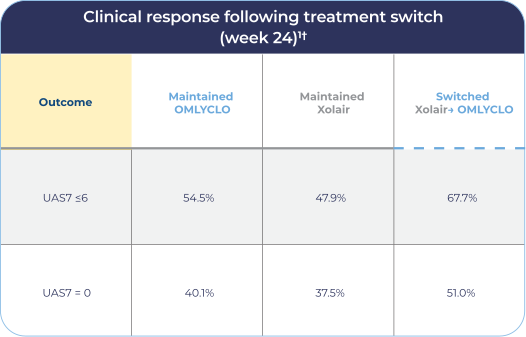
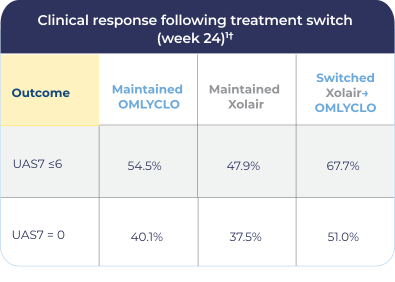
Patients who switched from Xolair to OMLYCLO maintained disease control as defined by UAS7 ≤61*

  • Patients who switched from Xolair to OMLYCLO maintained clinical response, with similar or numerically higher UAS7 response rates compared with continued treatment1
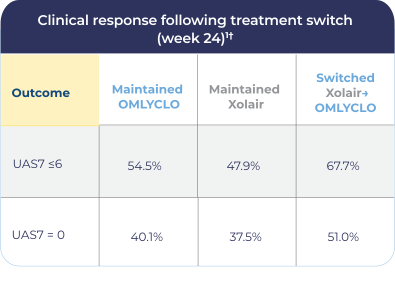
Clinical response following treatment switch at week 24. For UAS7 less than or equal to 6, response rates were 54.5% for maintained OMLYCLO, 47.9% for maintained Xolair, and 67.7% for patients switched from Xolair to OMLYCLO. For UAS7 equal to 0, response rates were 40.1%, 37.5%, and 51.0%, respectively. Clinical response following treatment switch at week 24. For UAS7 less than or equal to 6, response rates were 54.5% for maintained OMLYCLO, 47.9% for maintained Xolair, and 67.7% for patients switched from Xolair to OMLYCLO. For UAS7 equal to 0, response rates were 40.1%, 37.5%, and 51.0%, respectively.

*When studied in patients with chronic spontaneous urticaria.

Responses assessed at week 24 during TP2 (mITT population).1

mITT, modified intent-to-treat population; TP2, treatment period 2; UAS7, weekly urticaria activity score.
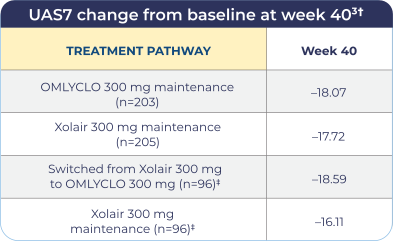
Improvements in disease activity were maintained through week 403*

  • Improvements in disease activity observed during treatment were sustained through the 40-week follow-up, with similar reductions in UAS7 observed for OMLYCLO and Xolair across treatment pathways3
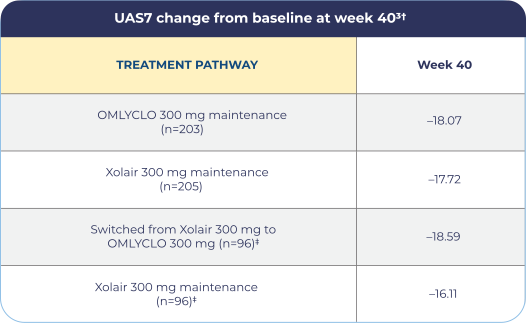
Table showing UAS7 change from baseline at week 40. OMLYCLO 300 mg maintenance was negative 18.07, Xolair 300 mg maintenance was negative 17.72, patients switched from Xolair 300 mg to OMLYCLO 300 mg were negative 18.59, and the re-randomized Xolair 300 mg maintenance group was negative 16.11. Table showing UAS7 change from baseline at week 40. OMLYCLO 300 mg maintenance was negative 18.07, Xolair 300 mg maintenance was negative 17.72, patients switched from Xolair 300 mg to OMLYCLO 300 mg were negative 18.59, and the re-randomized Xolair 300 mg maintenance group was negative 16.11.

*When studied in patients with chronic spontaneous urticaria.

UAS7 is a patient-reported daily measure of hives and itch severity. Scores are calculated at the end of 7 days (range 0-42). Lower scores indicate less disease activity. Values represent mean change from baseline (SD) at week 40 in the mITT set, with mITT-TP2 for re-randomized patients.2,3

A 16-week follow-up analysis occurred after patients completed the initial 24 weeks of treatment. Patients were re-randomized from Xolair (n=205) into switching (n=96) and maintenance (n=96) arms at week 12.3

mITT, modified intent-to-treat population; SD, standard deviation; TP2, treatment period 2; UAS7, weekly urticaria activity score.

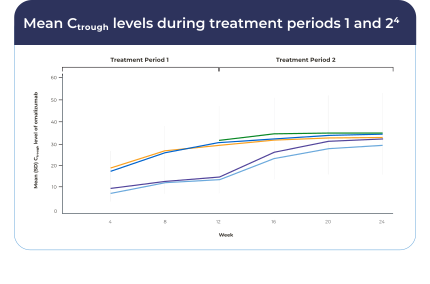
OMLYCLO delivered the same drug exposure as Xolair1,4*
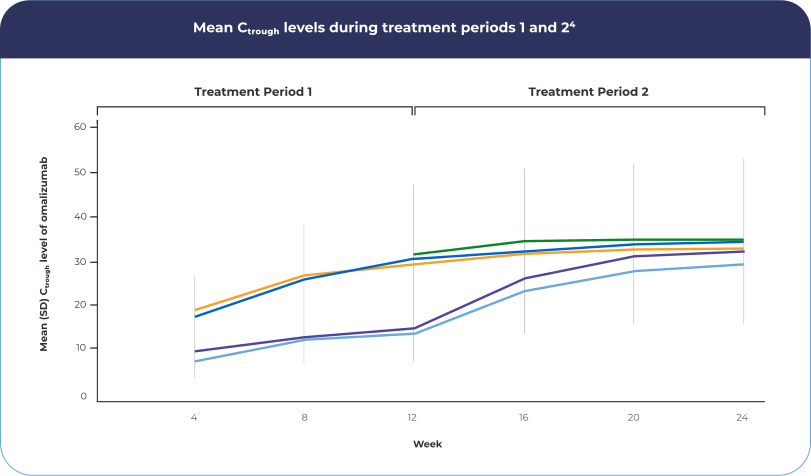
Line chart showing comparable mean trough levels of omalizumab for OMLYCLO and Xolair during treatment periods 1 and 2.

Line chart showing comparable mean trough levels of omalizumab for OMLYCLO and Xolair during treatment periods 1 and 2.

  • OMLYCLO provided comparable drug exposure to Xolair across doses and after treatment switch1,4

TREATMENT PERIOD 1 OMLYCLO 300 mg OMLYCLO 150 mg Xolair 300 mg Xolair 150 mg

TREATMENT PERIOD 2 OMLYCLO 300 mg maintenance OMLYCLO 150 mg to OMLYCLO 300 mg Xolair 300 mg maintenance Xolair 150 mg to Xolair 300 mg Switched from Xolair 300 mg to OMLYCLO 300 mg

*When studied in patients with chronic spontaneous urticaria.

Increased allergy tolerance threshold vs placebo across multiple foods5

In a double-blind, randomized, placebo-controlled phase 3 trial, participants with peanut allergy and at least 2 additional food allergies received omalizumab or placebo, and successful consumption of prespecified allergen doses at week 16 was assessed by oral food challenge.5 Omalizumab is the same active substance found in OMLYCLO. Therefore, the established efficacy in this study provides the clinical foundation for OMLYCLO in multi-food allergy.2,5,6

Omalizumab increased successful consumption of prespecified threshold doses at week 16 vs placebo5*

Endpoint Omalizumab Placebo
Peanut (n=177) 67% 7%
Cashew (n=99) 41% 3%
Egg (n=71) 67% 0%
Milk (n=62) 66% 10%
Walnut§ (n=78) 64% 13%
Hazelnut§ (n=24) 65% 14%
Wheat§ (n=20) 75% 13%

  • Reported P values were as follows: peanut, P<0.001; cashew, P<0.001; egg, P<0.001; and milk, P<0.001. No P values were reported for walnut, hazelnut, or wheat5
  • Omalizumab significantly increased allergen threshold doses across multiple foods vs placebo at week 16. The primary endpoint was consumption of a single dose of at least 600 mg peanut protein without dose-limiting symptoms; the key secondary endpoints were single doses of at least 1000 mg of cashew, milk, and egg protein without dose-limiting symptoms5

Omalizumab, the substance found in OMLYCLO, is an effective treatment option for multi-food allergy.2,5,6

*For all food allergies except peanut, the threshold dose tolerated without dose-limiting symptoms was ≥1000 mg; peanut dose was ≥600 mg.5

Primary endpoint; Primary secondary endpoint; §Other secondary endpoint.

Treatment with omalizumab when compared with oral immunotherapy7

In stage 2 of the same study, a randomized, intent-to-treat analysis compared omalizumab with omalizumab-facilitated multi-allergen oral immunotherapy (OIT).7

Efficacy and tolerability of omalizumab vs multi-allergen OIT7

Outcome Omalizumab Multi-allergen OIT
Tolerance of ≥2000 mg for each of the 3 foods* 36% 19%
Completed stage 2 88% 51%
Serious AEs 0% 30.5%
AEs leading to discontinuation 0% 22%
Epinephrine-treated AEs 6.9% 37.3%

  • Omalizumab was superior to multi-allergen OIT for the protocol-defined primary endpoint (36% vs 19%; OR 2.6; P=0.031). Superiority was also reported for success across 2 or more foods (P=0.004)7
  • Omalizumab was associated with fewer adverse events, discontinuations, and epinephrine-treated adverse events than multi-allergen OIT7
  • Omalizumab is the same active substance found in OMLYCLO. Therefore, the established efficacy in this study provides the clinical foundation for OMLYCLO in multi-food allergy compared with OIT2,6,7

*Primary endpoint.

AEs, adverse events.

References: 1. Saini SS, Maurer M, Dytyatkovska Y, et al. CT-P39 compared with reference omalizumab in chronic spontaneous urticaria: results from a double-blind, randomized, active-controlled, phase 3 study. Allergy. 2025;80(7):2167-2177. doi:10.1111/all.16446 2. OMLYCLO Prescribing Information. Celltrion USA, Inc.; 2025. 3. Grattan C, Dytyatkovska Y, Springer M, et al. Efficacy and safety of CT-P39, an omalizumab biosimilar, in chronic spontaneous urticaria: results from a 16-week follow-up study. Clin Transl Allergy. 2025;15(6):e70069. doi:10.1002/clt2.70069 4. Saini SS, Maurer M, Dytyatkovska Y, et al. Supplementary material to: CT-P39 compared with reference omalizumab in chronic spontaneous urticaria: results from a double-blind, randomized, active-controlled, phase 3 study. Allergy. 2025;80(7):2167–2177. doi:10.1111/all.16446 5. Wood RA, Togias A, Sicherer SH, et al. Omalizumab for the treatment of multiple food allergies. NEJM. 2024;390:889–899. doi:10.1056/NEJMoa2312382 6. Xolair Prescribing Information. Genentech, Inc.; 2024. 7. Wood R, Jones S, Dantzer J, et al. Treatment of multi-food allergy with omalizumab compared to omalizumab-facilitated multi-allergen OIT. J Allergy Clin Immunol. 2025. Abstract L48.

IMPORTANT SAFETY INFORMATION

WARNING: ANAPHYLAXIS

Anaphylaxis presenting as bronchospasm, hypotension, syncope, urticaria, and/or angioedema of the throat or tongue has been reported to occur after administration of omalizumab products. Anaphylaxis has occurred as early as after the first dose of omalizumab products, but also has occurred beyond 1 year after beginning regularly administered treatment. Because of the risk of anaphylaxis, initiate OMLYCLO therapy in a healthcare setting and closely observe patients for an appropriate period of time after OMLYCLO administration. Healthcare providers administering OMLYCLO should be prepared to manage anaphylaxis, which can be life-threatening. Inform patients of the signs and symptoms of anaphylaxis and instruct them to seek immediate medical care should symptoms occur. Selection of patients for self-administration of OMLYCLO should be based on criteria to mitigate risk from anaphylaxis.

Contraindications:

Severe hypersensitivity reaction to omalizumab products or any ingredient of OMLYCLO.

Anaphylaxis. Life-threatening anaphylaxis has occurred after omalizumab products, with signs/symptoms including bronchospasm, hypotension, syncope, urticaria, and/or angioedema of the throat or tongue; it can occur as early as the first dose, beyond 1 year after starting, and has been reported up to 4 days after administration. Initiate OMLYCLO in a healthcare setting equipped to manage anaphylaxis and observe patients for an appropriate period after dosing; educate patients on signs/symptoms and the need for immediate medical care. Risk is increased in patients with a history of anaphylaxis to foods, medications, or other causes. After therapy is safely established, self-administration OMLYCLO prefilled syringe may be appropriate for selected patients/caregivers based on risk mitigation (including no prior history of anaphylaxis, at least 3 supervised doses without hypersensitivity, ability to recognize and appropriately treat anaphylaxis, and ability to perform SC injections correctly). Discontinue OMLYCLO in patients who experience a severe hypersensitivity reaction.

Malignancy. Malignant neoplasms have been observed in clinical studies; the impact of longer exposure and use in patients at higher baseline risk is not known, and limitations of longer-term observational data preclude definitively ruling out a malignancy risk with omalizumab products.

Acute Asthma Symptoms and Deteriorating Disease. Omalizumab products have not been shown to relieve acute asthma exacerbations; do not use OMLYCLO to treat acute bronchospasm or status asthmaticus. Advise patients to seek medical care if asthma remains uncontrolled or worsens after starting OMLYCLO.

Corticosteroid Reduction. Do not abruptly discontinue systemic or inhaled corticosteroids when starting OMLYCLO for asthma or CRSwNP; taper gradually under physician supervision. In CSU patients, use of omalizumab products in combination with corticosteroids has not been evaluated.

Eosinophilic Conditions. In rare cases, patients with asthma on omalizumab products have developed serious systemic eosinophilia, sometimes with vasculitis consistent with Churg-Strauss syndrome, often in the setting of oral corticosteroid reduction. Be alert for eosinophilia, vasculitic rash, worsening pulmonary symptoms, cardiac complications, and/or neuropathy; a causal association has not been established.

Fever, Arthralgia, and Rash. In post-approval use, a serum sickness-like constellation (arthritis/arthralgia, rash, fever, lymphadenopathy) has occurred 1 to 5 days after injections and may recur with additional doses; stop OMLYCLO if this constellation develops.

Parasitic (Helminth) Infection. Monitor patients at high risk of geohelminth infection during OMLYCLO therapy; available data are insufficient to define the duration of monitoring needed after stopping treatment. A clinical trial in a high-risk setting observed more infections with omalizumab than placebo; response to appropriate anti-geohelminth treatment was not different between groups.

Laboratory Tests. Total serum IgE increases after dosing and may remain elevated for up to 1 year after discontinuation due to drug-IgE complexes; do not use total IgE levels obtained less than 1 year after discontinuation to reassess dosing regimen for asthma, CRSwNP, or IgE-mediated food allergy because these levels may not reflect steady-state free IgE levels.

Potential Medication Error Related to Emergency Treatment of Anaphylaxis. OMLYCLO should not be used for the emergency treatment of allergic reactions, including anaphylaxis. Instruct patients that OMLYCLO is for maintenance use to reduce allergic reactions, including anaphylaxis, while avoiding food allergens.

Most Common Adverse Reactions:

  • Asthma: In patients ≥12 years, reported in ≥1%: arthralgia, general pain, leg pain, fatigue, dizziness, fracture, arm pain, pruritus, dermatitis, and earache. In pediatric patients (6 to <12 years), reported in ≥3%: nasopharyngitis, headache, pyrexia, upper abdominal pain, streptococcal pharyngitis, otitis media, viral gastroenteritis, arthropod bites, and epistaxis.
  • CRSwNP: In ≥3% of adults: headache, injection site reactions, arthralgia, upper abdominal pain, and dizziness.
  • IgE-Mediated Food Allergy: In ≥3% of patients: injection site reactions and pyrexia.
  • CSU: In ≥2% of patients: nausea, nasopharyngitis, sinusitis, upper respiratory tract infections (viral and non-viral), arthralgia, headache, and cough.

INDICATIONS

OMLYCLO® (omalizumab-igec) injection is an anti-IgE antibody indicated for:

  • Moderate to severe persistent asthma in adults and pediatric patients ≥6 years of age with a positive skin test or in vitro reactivity to a perennial aeroallergen and symptoms that are inadequately controlled with inhaled corticosteroids.
  • Chronic rhinosinusitis with nasal polyps (CRSwNP) in adult patients ≥18 years of age with inadequate response to nasal corticosteroids, as add-on maintenance treatment.
  • IgE-mediated food allergy in adult and pediatric patients ≥1 year of age for the reduction of allergic reactions (Type I), including anaphylaxis, that may occur with accidental exposure to one or more foods. To be used in conjunction with food allergen avoidance.
  • Chronic spontaneous urticaria (CSU) in adults and adolescents ≥12 years of age who remain symptomatic despite H1 antihistamine treatment.

Limitations of Use: Not indicated for acute bronchospasm or status asthmaticus; emergency treatment of allergic reactions, including anaphylaxis; and other forms of urticaria.

Please see the full Prescribing Information for complete details. To report suspected adverse reactions, contact CELLTRION USA, INC. at 1‑800‑560‑9414 or FDA at 1‑800‑FDA‑1088 or www.fda.gov/medwatch.

IMPORTANT SAFETY INFORMATION

WARNING: ANAPHYLAXIS

Anaphylaxis presenting as bronchospasm, hypotension, syncope, urticaria, and/or angioedema of the throat or tongue has been reported to occur after administration of omalizumab products. Anaphylaxis has occurred as early as after the first dose of omalizumab products, but also has occurred beyond 1 year after beginning regularly administered treatment. Because of the risk of anaphylaxis, initiate OMLYCLO therapy in a healthcare setting and closely observe patients for an appropriate period of time after OMLYCLO administration. Healthcare providers administering OMLYCLO should be prepared to manage anaphylaxis, which can be life-threatening. Inform patients of the signs and symptoms of anaphylaxis and instruct them to seek immediate medical care should symptoms occur. Selection of patients for self-administration of OMLYCLO should be based on criteria to mitigate risk from anaphylaxis.

Contraindications:

Severe hypersensitivity reaction to omalizumab products or any ingredient of OMLYCLO.

Anaphylaxis. Life-threatening anaphylaxis has occurred after omalizumab products, with signs/symptoms including bronchospasm, hypotension, syncope, urticaria, and/or angioedema of the throat or tongue; it can occur as early as the first dose, beyond 1 year after starting, and has been reported up to 4 days after administration. Initiate OMLYCLO in a healthcare setting equipped to manage anaphylaxis and observe patients for an appropriate period after dosing; educate patients on signs/symptoms and the need for immediate medical care. Risk is increased in patients with a history of anaphylaxis to foods, medications, or other causes. After therapy is safely established, self-administration OMLYCLO prefilled syringe may be appropriate for selected patients/caregivers based on risk mitigation (including no prior history of anaphylaxis, at least 3 supervised doses without hypersensitivity, ability to recognize and appropriately treat anaphylaxis, and ability to perform SC injections correctly). Discontinue OMLYCLO in patients who experience a severe hypersensitivity reaction.

Malignancy. Malignant neoplasms have been observed in clinical studies; the impact of longer exposure and use in patients at higher baseline risk is not known, and limitations of longer-term observational data preclude definitively ruling out a malignancy risk with omalizumab products.

Acute Asthma Symptoms and Deteriorating Disease. Omalizumab products have not been shown to relieve acute asthma exacerbations; do not use OMLYCLO to treat acute bronchospasm or status asthmaticus. Advise patients to seek medical care if asthma remains uncontrolled or worsens after starting OMLYCLO.

Corticosteroid Reduction. Do not abruptly discontinue systemic or inhaled corticosteroids when starting OMLYCLO for asthma or CRSwNP; taper gradually under physician supervision. In CSU patients, use of omalizumab products in combination with corticosteroids has not been evaluated.

Eosinophilic Conditions. In rare cases, patients with asthma on omalizumab products have developed serious systemic eosinophilia, sometimes with vasculitis consistent with Churg-Strauss syndrome, often in the setting of oral corticosteroid reduction. Be alert for eosinophilia, vasculitic rash, worsening pulmonary symptoms, cardiac complications, and/or neuropathy; a causal association has not been established.

Fever, Arthralgia, and Rash. In post-approval use, a serum sickness-like constellation (arthritis/arthralgia, rash, fever, lymphadenopathy) has occurred 1 to 5 days after injections and may recur with additional doses; stop OMLYCLO if this constellation develops.

Parasitic (Helminth) Infection. Monitor patients at high risk of geohelminth infection during OMLYCLO therapy; available data are insufficient to define the duration of monitoring needed after stopping treatment. A clinical trial in a high-risk setting observed more infections with omalizumab than placebo; response to appropriate anti-geohelminth treatment was not different between groups.

Laboratory Tests. Total serum IgE increases after dosing and may remain elevated for up to 1 year after discontinuation due to drug-IgE complexes; do not use total IgE levels obtained less than 1 year after discontinuation to reassess dosing regimen for asthma, CRSwNP, or IgE-mediated food allergy because these levels may not reflect steady-state free IgE levels.

Potential Medication Error Related to Emergency Treatment of Anaphylaxis. OMLYCLO should not be used for the emergency treatment of allergic reactions, including anaphylaxis. Instruct patients that OMLYCLO is for maintenance use to reduce allergic reactions, including anaphylaxis, while avoiding food allergens.

Most Common Adverse Reactions:

  • Asthma: In patients ≥12 years, reported in ≥1%: arthralgia, general pain, leg pain, fatigue, dizziness, fracture, arm pain, pruritus, dermatitis, and earache. In pediatric patients (6 to <12 years), reported in ≥3%: nasopharyngitis, headache, pyrexia, upper abdominal pain, streptococcal pharyngitis, otitis media, viral gastroenteritis, arthropod bites, and epistaxis.
  • CRSwNP: In ≥3% of adults: headache, injection site reactions, arthralgia, upper abdominal pain, and dizziness.
  • IgE-Mediated Food Allergy: In ≥3% of patients: injection site reactions and pyrexia.
  • CSU: In ≥2% of patients: nausea, nasopharyngitis, sinusitis, upper respiratory tract infections (viral and non-viral), arthralgia, headache, and cough.

INDICATIONS

OMLYCLO® (omalizumab-igec) injection is an anti-IgE antibody indicated for:

  • Moderate to severe persistent asthma in adults and pediatric patients ≥6 years of age with a positive skin test or in vitro reactivity to a perennial aeroallergen and symptoms that are inadequately controlled with inhaled corticosteroids.
  • Chronic rhinosinusitis with nasal polyps (CRSwNP) in adult patients ≥18 years of age with inadequate response to nasal corticosteroids, as add-on maintenance treatment.
  • IgE-mediated food allergy in adult and pediatric patients ≥1 year of age for the reduction of allergic reactions (Type I), including anaphylaxis, that may occur with accidental exposure to one or more foods. To be used in conjunction with food allergen avoidance.
  • Chronic spontaneous urticaria (CSU) in adults and adolescents ≥12 years of age who remain symptomatic despite H1 antihistamine treatment.

Limitations of Use: Not indicated for acute bronchospasm or status asthmaticus; emergency treatment of allergic reactions, including anaphylaxis; and other forms of urticaria.

Please see the full Prescribing Information for complete details. To report suspected adverse reactions, contact CELLTRION USA, INC. at 1‑800‑560‑9414 or FDA at 1‑800‑FDA‑1088 or www.fda.gov/medwatch.